
 ★ 7.1
SabWap
In Hindi cinema the songs often come first, and the name of the music director sells a film as much as the name of the star. This guide sorts 156 Hindi films by the composer behind their music, twelve shelves from R. D. Burman, Anu Malik and Jatin–Lalit to A. R. Rahman, Pritam, Vishal–Shekhar and Amit Trivedi, with English synopses, cast and where to watch.
Top Music Directors:
R. D. BurmanR. D. Burman
Next (13)★ 7.1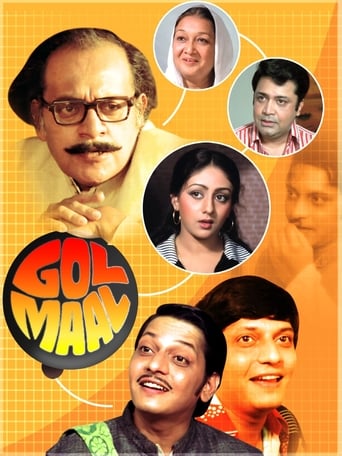 ★ 7.6
 ★ 7.2
 ★ 6.9
 ★ 7.1
 ★ 7.4
 ★ 6.6
 ★ 6.0
 ★ 6.7
 ★ 7.2
 ★ 7.9
 ★ 6.8
Anu MalikAnu Malik
Next (13) ★ 6.6
 ★ 7.2
 ★ 7.2
 ★ 6.5
 ★ 7.2
 ★ 6.9
 ★ 6.5
 ★ 5.4
 ★ 7.3
 ★ 6.5
 ★ 5.9
 ★ 6.0
Jatin–LalitJatin–Lalit
Next (13)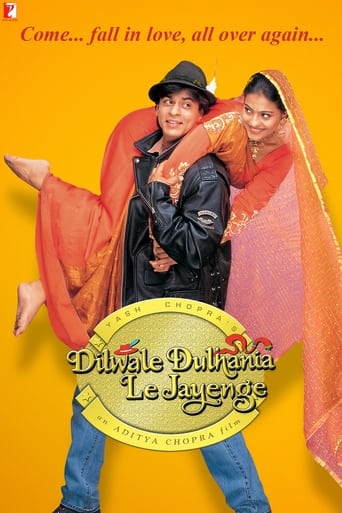 ★ 8.5
 ★ 7.5
 ★ 7.1
 ★ 6.7
 ★ 5.9
 ★ 6.4
 ★ 6.9
 ★ 7.2
 ★ 6.1
 ★ 6.5
 ★ 6.7
 ★ 7.1
A. R. RahmanA. R. Rahman
Next (13)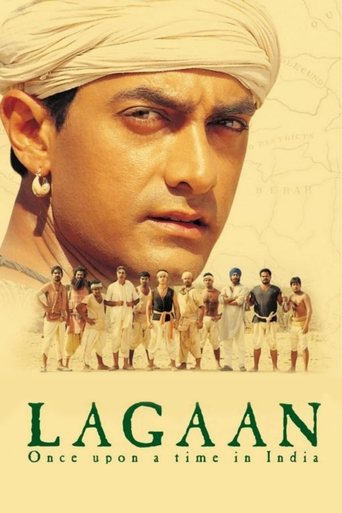 ★ 7.3
 ★ 7.1
 ★ 7.0
 ★ 7.4
 ★ 7.0
 ★ 7.3
 ★ 7.3
 ★ 7.2
 ★ 7.5
 ★ 6.9
 ★ 7.2
 ★ 6.8
Shankar–Ehsaan–LoyShankar–Ehsaan–Loy
Next (13)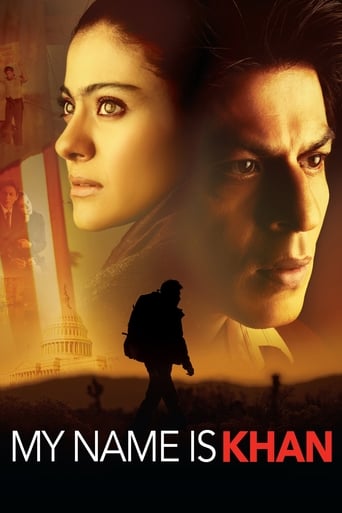 ★ 8.0
 ★ 8.0
 ★ 7.5
 ★ 7.6
 ★ 6.9
 ★ 6.9
 ★ 7.5
 ★ 7.0
 ★ 6.5
 ★ 7.3
 ★ 6.9
 ★ 6.6
Vishal–ShekharVishal–Shekhar
Next (13)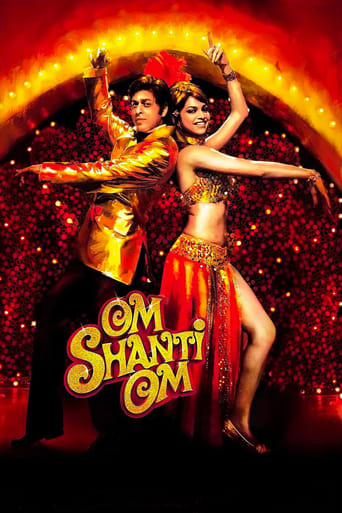 ★ 7.1
 ★ 6.5
 ★ 5.8
 ★ 6.8
 ★ 7.2
 ★ 6.1
 ★ 6.2
 ★ 6.4
 ★ 6.8
 ★ 6.2
 ★ 5.8
 ★ 6.2
PritamPritam
Next (13)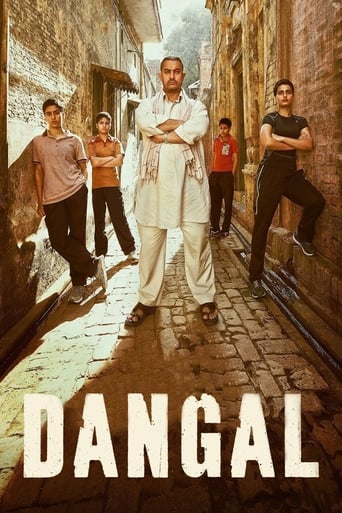 ★ 7.9
 ★ 7.8
 ★ 7.6
 ★ 6.6
 ★ 7.3
 ★ 6.0
 ★ 7.3
 ★ 6.3
 ★ 6.4
 ★ 6.8
 ★ 6.3
 ★ 6.1
HimeshHimesh Reshammiya
Next (13) ★ 7.3
 ★ 7.3
 ★ 6.9
 ★ 5.7
 ★ 5.2
 ★ 6.9
 ★ 7.9
 ★ 5.3
 ★ 5.3
 ★ 6.3
 ★ 6.5
 ★ 5.6
Sajid–WajidSajid–Wajid
Next (13) ★ 6.2
 ★ 5.6
 ★ 5.7
 ★ 6.5
 ★ 5.6
 ★ 5.8
 ★ 5.0
 ★ 5.6
 ★ 5.9
 ★ 5.3
 ★ 5.0
 ★ 5.3
Amit TrivediAmit Trivedi
Next (13) ★ 7.6
 ★ 7.3
 ★ 7.3
 ★ 7.0
 ★ 7.5
 ★ 7.3
 ★ 7.3
 ★ 7.2
 ★ 7.3
 ★ 7.1
 ★ 7.0
 ★ 5.6
Salim–SulaimanSalim–Sulaiman
Next (13)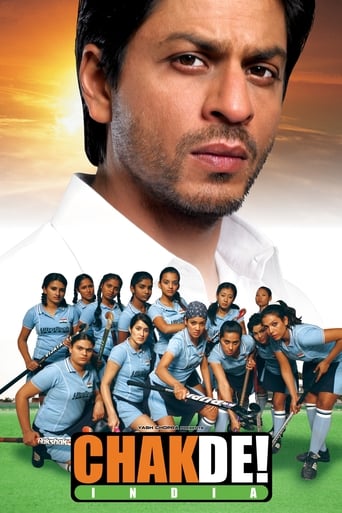 ★ 7.2
 ★ 7.1
 ★ 6.6
 ★ 6.5
 ★ 5.6
 ★ 6.2
 ★ 6.2
 ★ 6.7
 ★ 6.1
 ★ 6.2
 ★ 6.4
 ★ 6.9
Sachin–JigarSachin–Jigar
Next (13) ★ 7.4
 ★ 7.0
 ★ 7.0
 ★ 5.9
 ★ 6.4
 ★ 7.0
 ★ 7.1
 ★ 6.5
 ★ 6.7
 ★ 5.7
 ★ 6.0
 ★ 6.6
The SabWap guide
SabWap: Hindi films by music director
Music first
In Hindi cinema the music often arrives before the film. Months before a release, the songs are already on the radio, on music channels and on phones, and by the time the film reaches the cinemas the audience can sing every chorus. The composer, called the music director, is a star in his own right, and for many viewers the name on the music label matters as much as the name of the hero. SabWap was a small mobile page of the years 2015 to 2017 built entirely around that habit: a list of the latest Hindi video songs and trailers, with a strip of the top music channels of the industry at the top. This guide keeps the idea and turns it into a guide to the films themselves. It sorts 156 Hindi films by the composer behind their music, twelve music directors with thirteen films each, from Sholay and Padosan to Stree 2 and Fighter, each film with its English synopsis, its cast, its director and a Watch now button that opens it on JustWatch.
The twelve composers are grouped in four families of three. Classic Bollywood gathers R. D. Burman, the great innovator of the 1970s, and the two masters of the romantic 1990s, Anu Malik and the brothers Jatin and Lalit Pandit. Rahman and the trios gathers A. R. Rahman, who changed the sound of Indian film music in the 1990s, and the two composer trios and duos who defined the 2000s, Shankar–Ehsaan–Loy and Vishal–Shekhar. The chartbusters gathers the kings of the dance floor, Pritam, Himesh Reshammiya and the brothers Sajid and Wajid. And The new sound gathers Amit Trivedi, the brothers Salim and Sulaiman Merchant and the duo Sachin–Jigar. The guide Music first explains the idea, and the guide Start with SabWap picks one film from each family.
The 156 films are long, like most Hindi films, about two and a half hours on average, and together they last about 24,000 minutes, some 400 hours of cinema. They carry about 40,500 votes on TMDB, with an average rating of 6.65, and three of them reach 8 or more: Dilwale Dulhania Le Jayenge, at 8.5, the most voted and best rated film of the guide, My Name Is Khan and Like Stars on Earth, both at 8.0. All of them are in Hindi, and 152 list India as their first country of production.
The page of 2016
The Wayback Machine keeps copies of sabwap.com from October 2015 to January 2017, and the page is a perfect example of the mobile web of India in those years, built for small phones on slow connections. It is a white page in a narrow column, written in the simple XHTML of the old WAP sites. At the top, a blue bar carries the logo, SabWap.CoM, in a round comic hand coloured orange, green and white on a navy outline. Below it comes a grey box with a search field and a red Search button, then a grey strip that lists the top music channels, T-Series, Eros Entertainment, Tips Music, Yash Raj Films, Zee Music and others, separated by vertical bars. A blue bar announces Latest Videos, and under it the videos appear as grey rows, each with a small picture on the left, a title in blue and a red label, Published, followed by the age of the video in grey. A blue Next button, a grey box headed What Peoples Find and a dark grey footer close the page.
This guide keeps that look: the white page and the narrow column, the blue logo bar with the comic logo, the red search button, the grey strip with its links separated by bars, which here lists the twelve music directors, the blue title bars with their white bold type, the grey rows with a small poster on the left and the blue title, and the dark footer. In the rows, the red label names the composer of the film, with the word Music before it, and under the title come the first genre and the running time. Behind every row there is a full film page with the synopsis, the cast and the Watch now button, which opens JustWatch, the service that shows where the film can be streamed, rented or bought in your country. The guide The page of 2016 describes the capture.
How the shelves work
Each of the twelve shelves belongs to one music director. To build it, the guide takes the Hindi films that TMDB credits to that composer for the music, the songs or the background score, keeps those with an English synopsis and enough votes, and keeps the thirteen most voted. Hindi films often have several composers, one for the songs and another for the score, or several for different songs, so a film may be credited to two of the twelve; in that case it goes to only one shelf, the one of the composer with fewer films. For R. D. Burman the shelf stops in 1994, the year of his death and of his last score, because many later films reuse his famous songs.
The rows show the composer's name in red above each title, as the old page showed the label Published, and the lists of the four families and the three extra collections keep that name on every card, so that you can see at a glance whose music you are about to hear. The guide How the shelves work sums up the rules.
Classic Bollywood
The first family, Classic Bollywood, covers a quarter of a century of Hindi film music, from the psychedelic brass of the late 1960s to the lush romances of the 1990s. Its 39 films run from Padosan, of 1968, the oldest film of the guide, to the comedies of the 2010s scored by a veteran, and the family holds the most famous Hindi film of all, Dilwale Dulhania Le Jayenge. The guide Classic Bollywood sums it up.
R. D. Burman
The shelf R. D. Burman belongs to Rahul Dev Burman, known as Pancham, the son of the great composer S. D. Burman, who brought rock, jazz, Latin rhythms and electronic sounds into Hindi film music in the 1970s and whose songs are still remixed today. Its thirteen films run from 1968 to 1994. The most voted is Sholay, of 1975, by Ramesh Sippy, with Dharmendra and Amitabh Bachchan as two small-time crooks hired to capture a bandit, the most famous action film of Indian cinema, in which Burman himself sings the dance number of the gypsy camp; at 208 minutes it is one of the longest films of the guide. Ramesh Sippy directed two more films of the shelf, Seeta and Geeta, of 1972, with Hema Malini as twin sisters separated at birth, and Shaan, of 1980.
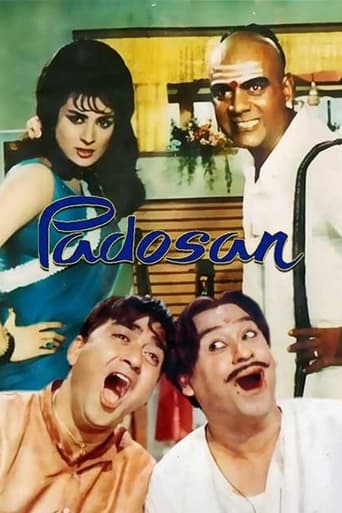
The best rated film of the shelf, with a 7.9, is Yaadon Ki Baaraat, of 1973, by Nasir Hussain, three brothers separated in childhood and reunited by a family song, often called the first masala film. Padosan, of 1968, with Sunil Dutt, Saira Banu and the singer Kishore Kumar, is a musical comedy in which a shy man woos the girl next door with the help of a friend who sings for him, and Gol Maal, of 1979, by Hrishikesh Mukherjee, with a 7.6, is the comedy of a young man who invents a twin brother to keep his job. Gulzar's Angoor, of 1982, adapts The Comedy of Errors, and Satte Pe Satta, of 1982, Seven Brides for Seven Brothers.
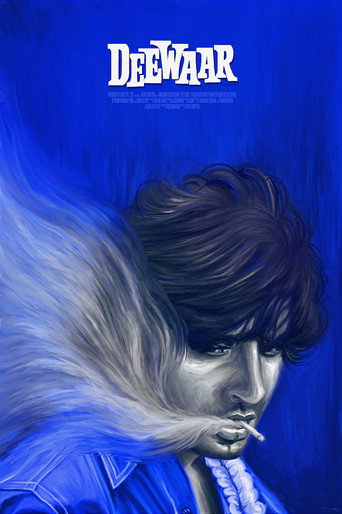
The shelf also shows the dramatic Burman. Deewaar, of 1975, by Yash Chopra, made Amitabh Bachchan the angry young man of Hindi cinema, as a dock worker turned smuggler opposed to his police officer brother; Masoom, of 1983, by Shekhar Kapur, with Naseeruddin Shah and Shabana Azmi, is the story of a family shaken by the arrival of a boy born of an affair; Parinda, of 1989, by Vidhu Vinod Chopra, is a crime drama in the Mumbai underworld; and The Burning Train, of 1980, is a disaster film on the first journey of a new express. Vidhu Vinod Chopra also made 1942: A Love Story, of 1994, a romance set during the struggle for independence, whose songs were the last work of Burman, who died a few months before its release.
Anu Malik
The shelf Anu Malik runs from 1993 to 2018 and follows a composer who dominated the charts of the 1990s and later became a famous judge of television singing contests. Its oldest film is Baazigar, of 1993, by the director duo Abbas–Mustan, with Shah Rukh Khan as an anti-hero who seduces the daughters of the man who ruined his family, a role that changed his career; Abbas–Mustan also made Baadshah, of 1999, a spy comedy with the same star. Border, of 1997, by J. P. Dutta, with Sunny Deol, recreates the battle of Longewala of 1971, and its song of soldiers' letters from home became an anthem.
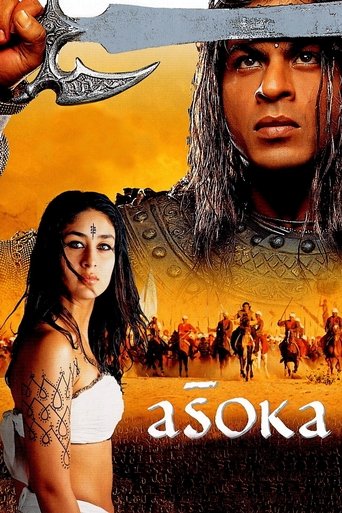
The most voted film of the shelf is Main Hoon Na, of 2004, the first film directed by the choreographer Farah Khan, with Shah Rukh Khan as an army officer who goes undercover as a college student. The best rated is Sui Dhaaga - Made in India, of 2018, with a 7.3, followed by three films level at 7.2: Munna Bhai M.B.B.S., of 2003, by Rajkumar Hirani, with Sanjay Dutt as a gentle gangster who enrols in medical school; Hera Pheri, of 2000, by Priyadarshan, a cult comedy of three penniless men and a wrong-number ransom call; and Dum Laga Ke Haisha, of 2015, by Sharat Katariya, the story of an arranged marriage in the 1990s, for which Anu Malik returned with songs in the style of that decade. It was the first of the two films of Katariya and Malik together, three years before Sui Dhaaga. Aśoka, of 2001, by Santosh Sivan, with Shah Rukh Khan as the young emperor; the romantic comedy of 2001 with Salman Khan and Preity Zinta about a surrogate mother; the comedy of 2005 by Anees Bazmee with Anil Kapoor and Salman Khan; Duplicate, of 1998, and the fourth film of the Golmaal series, of 2017, complete the shelf.
Jatin–Lalit
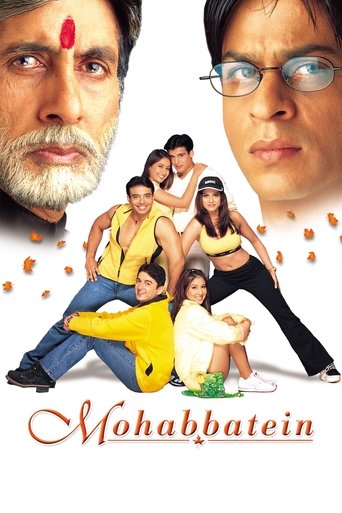
The shelf Jatin–Lalit belongs to the brothers Jatin and Lalit Pandit, the sound of the romantic Hindi film of the 1990s. It holds the most voted and best rated film of the guide, Dilwale Dulhania Le Jayenge, of 1995, by Aditya Chopra, with Shah Rukh Khan and Kajol, with an 8.5 and about 4,600 votes: two young Indians raised in London fall in love on a trip across Europe, and the hero refuses to elope, travelling to Punjab to win the approval of her father. The film has played continuously for decades at the Maratha Mandir cinema in Mumbai, the longest run in the history of Indian cinema. Aditya Chopra also made Mohabbatein, of 2000, with Amitabh Bachchan as a headmaster opposed to love, at 216 minutes one of the longest films of the guide.
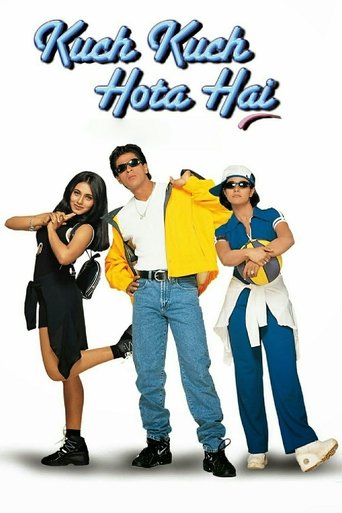
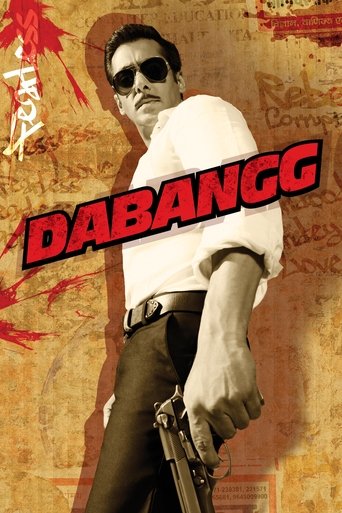
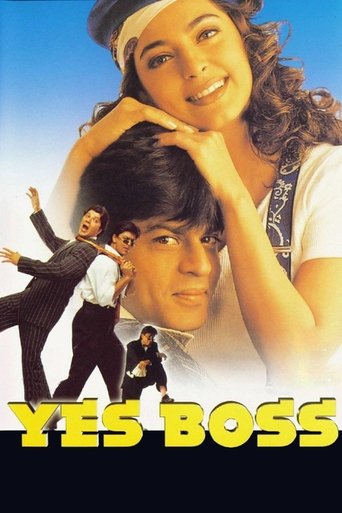
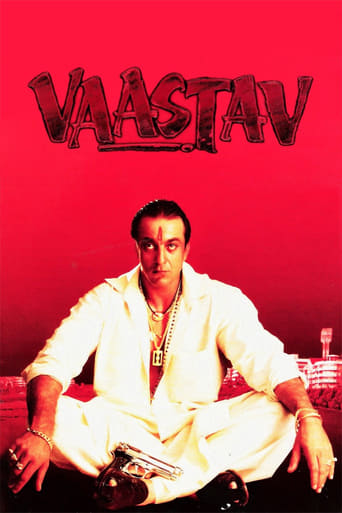
Shah Rukh Khan is in seven films of the shelf, from Kabhi Haan Kabhi Naa, of 1994, a small comedy about a musician in Goa, to Kuch Kuch Hota Hai, of 1998, the first film of Karan Johar, with a 7.5, and the three comedies of Aziz Mirza, Yes Boss, of 1997, Phir Bhi Dil Hai Hindustani, of 2000, and Chalte Chalte, of 2003. Aamir Khan has three: Jo Jeeta Wohi Sikandar, of 1992, the oldest film of the shelf, a story of a college cycling race; Sarfarosh, of 1999, a police thriller about arms smuggling across the border; and Fanaa, of 2006, a love story between a tour guide and a blind girl from Kashmir. Vaastav, of 1999, with Sanjay Dutt, a gangster drama in Mumbai; Dabangg, of 2010, for which Lalit Pandit wrote the most famous song; and Force, of 2011, with John Abraham, close the shelf.
Rahman and the trios
The second family, Rahman and the trios, belongs to the composers who brought Hindi film music into the new century. A. R. Rahman arrived from the Tamil cinema of Chennai in the 1990s with a new sound, layered and electronic, recorded in his own studio; Shankar–Ehsaan–Loy brought the textures of rock and jazz, and Vishal–Shekhar the energy of pop and dance music. The family holds about 14,200 votes, the most of the four, and an average of 6.89. The guide Rahman and the trios sums it up.
A. R. Rahman
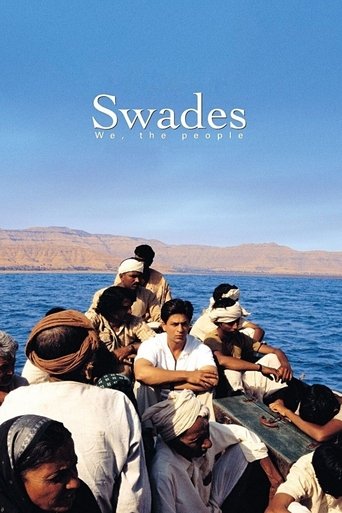
The shelf A. R. Rahman runs from 1998 to 2018, and its most voted film is Lagaan: Once Upon a Time in India, of 2001, by Ashutosh Gowariker, with Aamir Khan as a villager in the British India of 1893 who challenges the colonial officers to a cricket match to escape a crushing tax; it was nominated for the Academy Award for best foreign language film, and at 233 minutes it is the longest film of the guide. Gowariker and Rahman made two more films of the shelf together, Swades, of 2004, with Shah Rukh Khan as a NASA scientist who returns to an Indian village, and Jodhaa Akbar, of 2008, the love story of the Mughal emperor and a Rajput princess, with Hrithik Roshan and Aishwarya Rai.
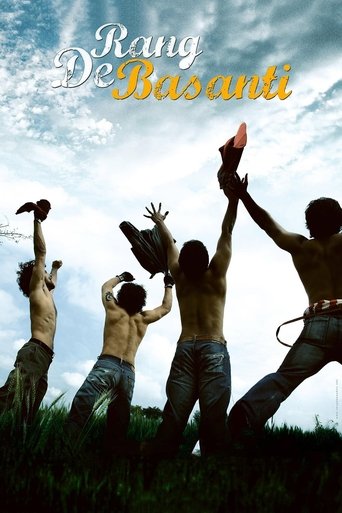
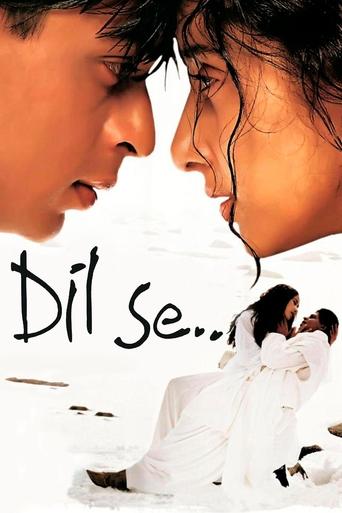
The first film of the shelf is Dil Se.., of 1998, by Mani Ratnam, the director with whom Rahman began his career in Tamil cinema; its song on the roof of a moving train became one of the most famous images of Hindi cinema. Imtiaz Ali has three films here, all built on the music of Rahman: Rockstar, of 2011, with Ranbir Kapoor as a singer destroyed by love and fame; Highway, of 2014, with Alia Bhatt as a kidnapped bride who discovers freedom on the road; and Tamasha, of 2015, with Ranbir Kapoor and Deepika Padukone. The best rated film of the shelf, with a 7.5, is Mom, of 2017, a revenge thriller with Sridevi in her last great role, and Rang De Basanti, of 2006, by Rakeysh Omprakash Mehra, with Aamir Khan, follows a group of students who play the heroes of the independence struggle in a documentary and begin to live like them.
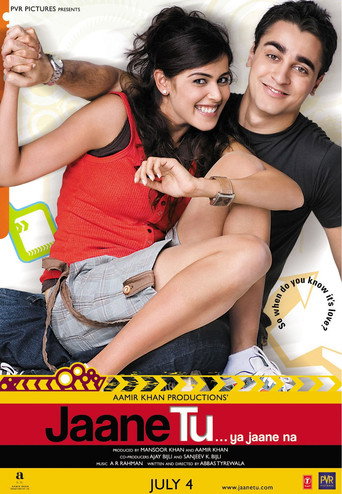
Aamir Khan also stars in Ghajini, of 2008, a thriller about a man who loses his short-term memory, and Shah Rukh Khan in the romance of 2012 that was the last film of Yash Chopra, a love story between London and Kashmir. Jaane Tu... Ya Jaane Na, of 2008, is a light romantic comedy of college friends in Mumbai; Sanju, of 2018, by Rajkumar Hirani, the life of the actor Sanjay Dutt, credits Rahman for one of its songs. Rahman, who later won two Academy Awards for Slumdog Millionaire, is the most celebrated Indian composer in the world, and his shelf is the best rated of the guide, with an average of 7.15.
Shankar–Ehsaan–Loy
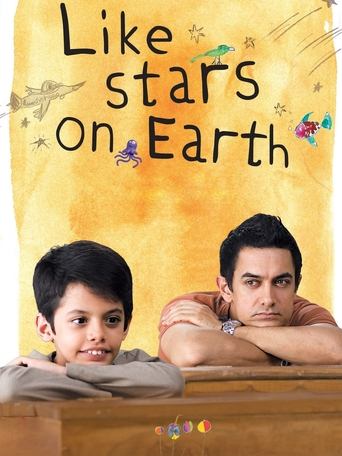
The shelf Shankar–Ehsaan–Loy belongs to the trio of Shankar Mahadevan, a singer of classical training, Ehsaan Noorani, a guitarist, and Loy Mendonsa, a keyboard player. It is the second best rated shelf of the guide, with an average of 7.11, and the second most voted, with about 6,100 votes, after the shelf of Jatin–Lalit, and it holds two of the three films rated 8 or more. My Name Is Khan, of 2010, by Karan Johar, with Shah Rukh Khan as a man with Asperger's syndrome who sets out to meet the President of the United States after the attacks of September 2001, is the most voted; Like Stars on Earth, of 2007, known in Hindi as Taare Zameen Par, directed by Aamir Khan, the story of a dyslexic boy and the art teacher who understands him, carries an 8.0 as well.
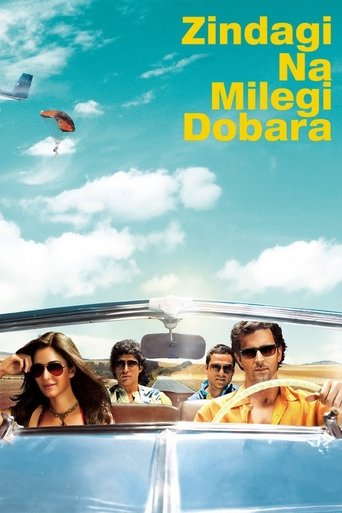
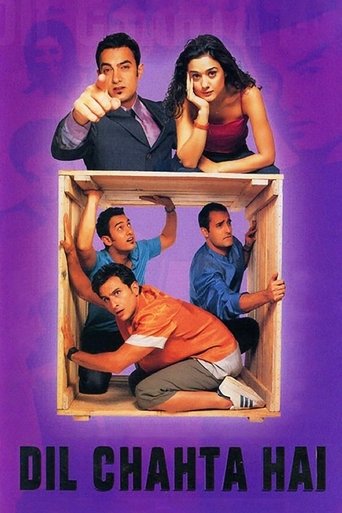
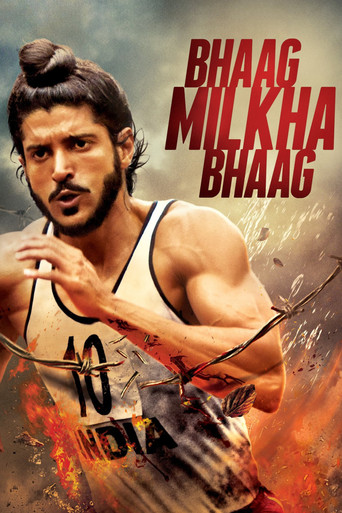
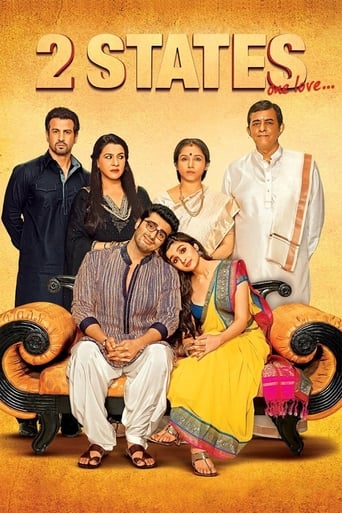
The trio began its great run with Dil Chahta Hai, of 2001, the first film of Farhan Akhtar, three friends between college and adult life, which changed the image of the young urban Indian on screen; Farhan Akhtar also directed Don, of 2006, a remake with Shah Rukh Khan, and its sequel, Don 2, of 2011. His sister Zoya Akhtar made Zindagi Na Milegi Dobara, of 2011, three friends on a road trip through Spain, with a 7.6, and Dil Dhadakne Do, of 2015, a family cruise on the Mediterranean. Kal Ho Naa Ho, of 2003, with Shah Rukh Khan as a dying man who teaches a woman to love life, and Karan Johar's Kabhi Alvida Naa Kehna, of 2006, are the great romances of the shelf. Bhaag Milkha Bhaag, of 2013, with Farhan Akhtar as the runner Milkha Singh; Raazi, of 2018, by Meghna Gulzar, with Alia Bhatt as a young spy married into a Pakistani military family; 2 States, of 2014, a love story between a Punjabi and a Tamil family, and Housefull, of 2010, a farce with Akshay Kumar, complete it.
Vishal–Shekhar
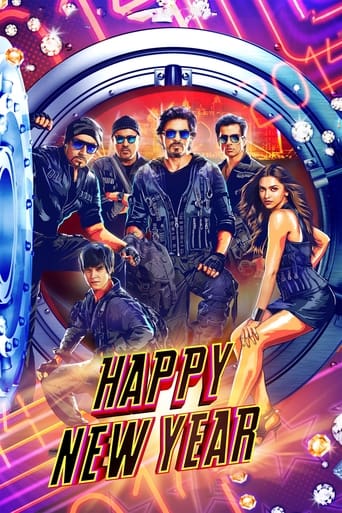
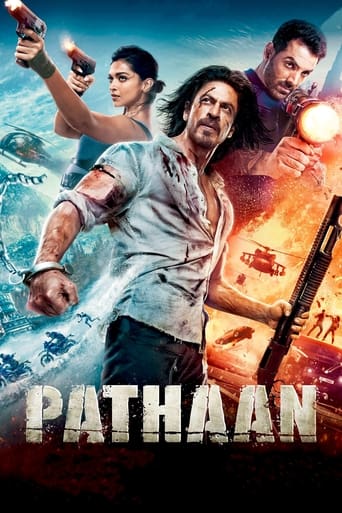
The shelf Vishal–Shekhar belongs to Vishal Dadlani and Shekhar Ravjiani, the composers of the biggest commercial spectacles of the last two decades, and it runs from 2007 to 2024. Its most voted film is Om Shanti Om, of 2007, by Farah Khan, with Shah Rukh Khan and Deepika Padukone in her first role, a reincarnation story and a loving parody of the Hindi cinema of the 1970s; Farah Khan and Shah Rukh Khan returned with Happy New Year, of 2014, a heist comedy in Dubai. Shah Rukh Khan is in six films of the shelf, including Chennai Express, of 2013, a comedy on a train to the south; Ra.One, of 2011, a superhero film about a video game villain who escapes into the real world; Fan, of 2016, in which he plays both a film star and his obsessive admirer; and Pathaan, of 2023, a spy thriller that marked his return to the screen after four years.
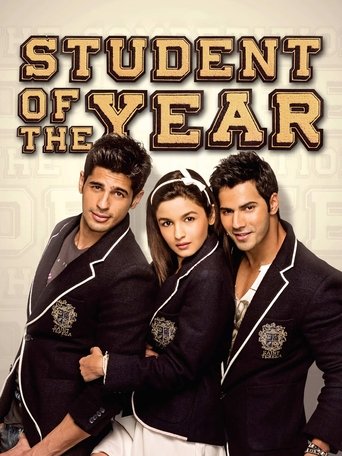
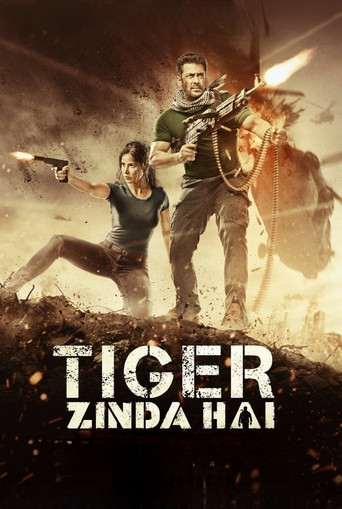
Siddharth Anand directed four films of the shelf, the great action films of the 2010s and 2020s: Bang Bang!, of 2014, War, of 2019, with Hrithik Roshan and Tiger Shroff as two agents, Pathaan, and Fighter, of 2024, with Hrithik Roshan and Deepika Padukone as pilots of the Indian Air Force. Ali Abbas Zafar directed two films with Salman Khan, Sultan, of 2016, the story of a wrestler from Haryana, and Tiger Zinda Hai, of 2017, a spy rescue in Iraq. The best rated film of the shelf, with a 7.2, is Kahaani, of 2012, by Sujoy Ghosh, with Vidya Balan as a pregnant woman searching for her missing husband in Kolkata during the festival of Durga Puja, and Student of the Year, of 2012, by Karan Johar, introduced three new stars, Alia Bhatt, Varun Dhawan and Sidharth Malhotra.
The chartbusters
The third family, The chartbusters, belongs to the composers whose songs fill the weddings, the clubs and the phones of India: Pritam, the most prolific hit-maker of the 2000s and 2010s, Himesh Reshammiya, the singer-composer with the famous nasal voice, and the brothers Sajid and Wajid, the music of the films of Salman Khan. Its 39 films hold about 8,800 votes, and the guide The chartbusters sums it up.
Pritam
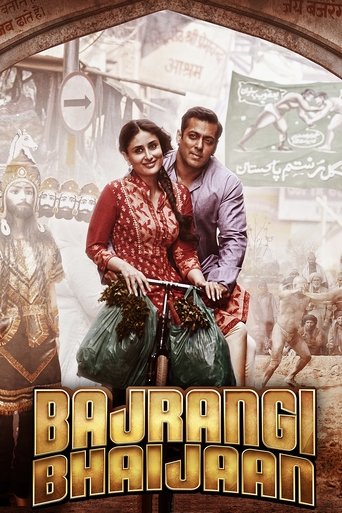
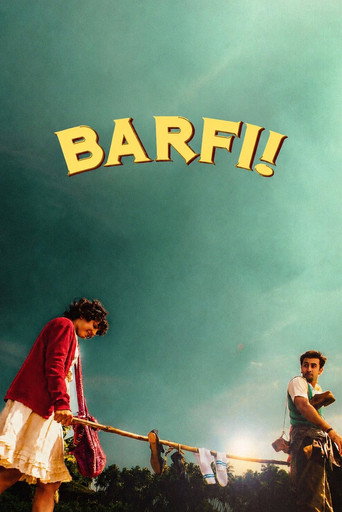
The shelf Pritam runs from 2004 to 2023. Its most voted and best rated film is Dangal, of 2016, by Nitesh Tiwari, with a 7.9: Aamir Khan plays Mahavir Singh Phogat, a former wrestler from Haryana who trains his daughters to become champions, in a true story that became the highest-grossing Indian film of all time around the world, thanks in large part to its success in China. Bajrangi Bhaijaan, of 2015, by Kabir Khan, with a 7.8, follows Salman Khan as a devout and simple man who takes a lost mute girl from Pakistan back home across the border, and Barfi!, of 2012, by Anurag Basu, with Ranbir Kapoor as a cheerful deaf and mute young man in Darjeeling, was India's submission for the Academy Awards.
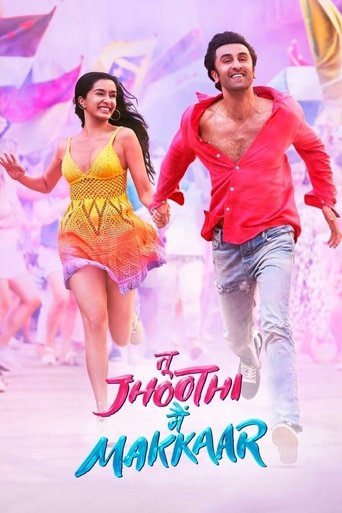
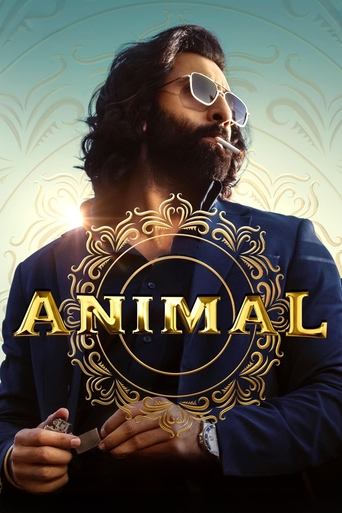
Ranbir Kapoor is the face of the shelf, with five films: Barfi, Yeh Jawaani Hai Deewani, of 2013, by Ayan Mukerji, friends who meet on a trek and again at a wedding eight years later; Ae Dil Hai Mushkil, of 2016, by Karan Johar; Tu Jhoothi Main Makkaar, of 2023, a romantic comedy by Luv Ranjan; and Animal, of 2023, by Sandeep Reddy Vanga, a violent saga of a son obsessed with his father, for which Pritam was one of several composers. Imtiaz Ali made two films with Pritam, Jab We Met, of 2007, the meeting of a depressed businessman and a talkative girl on a night train, and Jab Harry Met Sejal, of 2017, with Shah Rukh Khan and Anushka Sharma. The two Dhoom films with Pritam's songs, Dhoom, of 2004, and Dhoom 3, of 2013, are racing heist thrillers with motorbikes; Bhool Bhulaiyaa, of 2007, by Priyadarshan, with Akshay Kumar, is a horror comedy in a haunted palace; and Dilwale, of 2015, by Rohit Shetty, reunited Shah Rukh Khan and Kajol.
Himesh Reshammiya
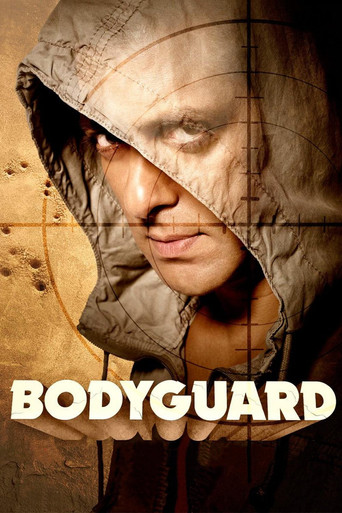
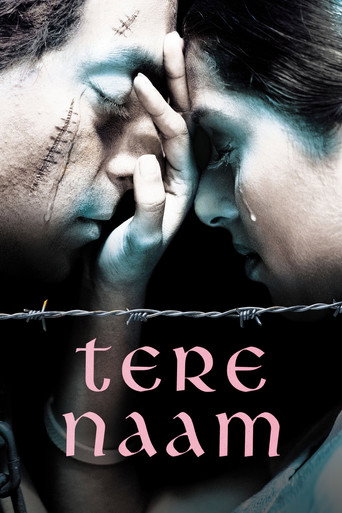
The shelf Himesh Reshammiya runs from 2003 to 2016 and follows the composer who became a phenomenon in the mid-2000s, singing his own songs in a high nasal voice and later starring in his own films. His breakthrough was Tere Naam, of 2003, with Salman Khan as a college rowdy whose love turns to tragedy, the oldest film of the shelf; Salman Khan appears in five of its films, from that one to Prem Ratan Dhan Payo, of 2015, by Sooraj Barjatya, a royal drama in which he plays a double role, Bodyguard, of 2011, and Kick, of 2014. The most voted film of the shelf is OMG: Oh My God!, of 2012, with Paresh Rawal as a shopkeeper who sues God after an earthquake destroys his shop, with Akshay Kumar as a modern Krishna.
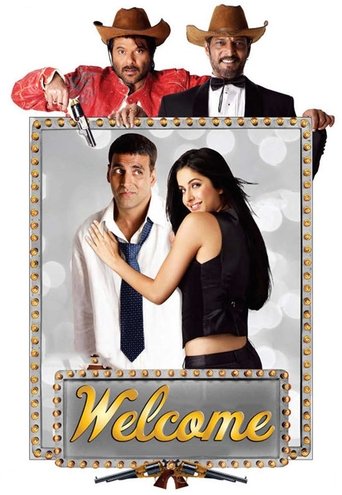
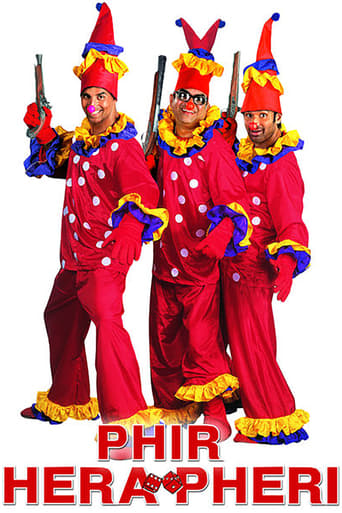
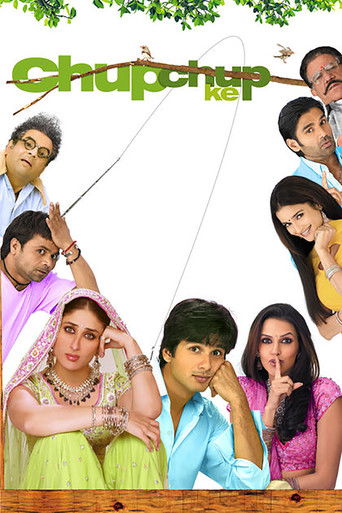
Akshay Kumar is in five films of the shelf, the comedies Welcome, of 2007, with two gentle gangsters who want to marry off their sister, and Phir Hera Pheri, of 2006, the sequel of the cult comedy of Anu Malik's shelf; Aitraaz, of 2004, by Abbas–Mustan, a courtroom drama about harassment at work; and Special 26, of 2013, by Neeraj Pandey, the story of a gang of fake tax and police officers who rob the rich in 1987, with a 7.3. The best rated film of the shelf, with a 7.9, is Sanam Teri Kasam, of 2016, a tragic romance that was a modest release in its year and found a huge second life when it returned to cinemas in 2025. Chup Chup Ke, of 2006, Bol Bachchan, of 2012, and the comedy of 2005 with Salman Khan and Sushmita Sen complete it.
Sajid–Wajid
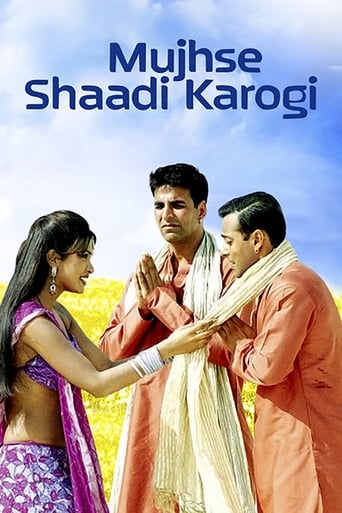
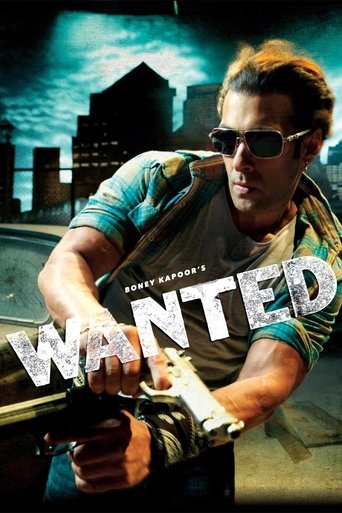
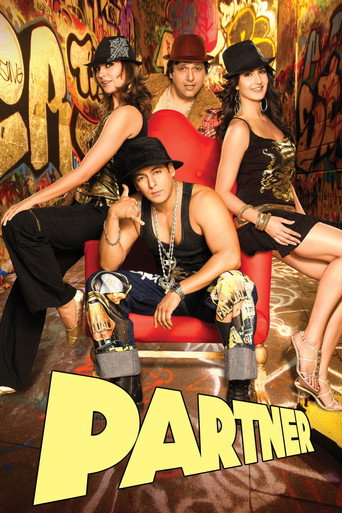
The shelf Sajid–Wajid belongs to the brothers Sajid and Wajid Khan, who wrote the songs of a long run of popular action comedies until the death of Wajid in 2020. It runs from 2004 to 2017, and Salman Khan stars in six of its films: Ek Tha Tiger, of 2012, by Kabir Khan, the first adventure of the spy Tiger and the most voted film of the shelf; Wanted, of 2009, by Prabhu Deva, the remake of a Telugu hit that started the fashion for southern action remakes; Dabangg 2, of 2012; Mujhse Shaadi Karogi, of 2004, a comedy with Priyanka Chopra and Akshay Kumar; Partner, of 2007, and Jai Ho, of 2014.
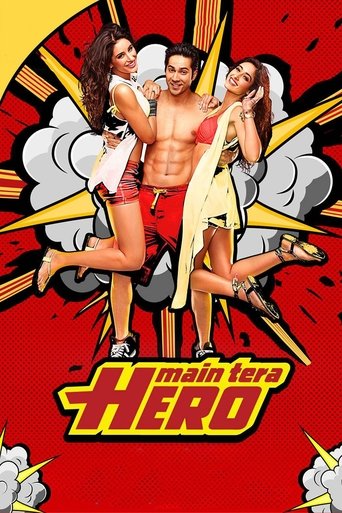
David Dhawan, the king of Hindi comedy, directed four films of the shelf, Mujhse Shaadi Karogi, Partner, Main Tera Hero, of 2014, and Judwaa 2, of 2017, both with his son Varun Dhawan, and Prabhu Deva three, Wanted, Rowdy Rathore, of 2012, and Singh Is Bliing, of 2015, both with Akshay Kumar. Housefull 2, of 2012, Hello, of 2008, from the novel by Chetan Bhagat about a night in a call centre, and Son of Sardaar, of 2012, the lowest rated film of the guide at 4.7, complete it. These are films made for the songs and the crowds rather than for the critics: the shelf has the lowest average of the guide, 5.55, while many of its songs were among the hits of their years. The guide Songs and ratings looks at that gap.
The new sound
The last family, The new sound, gathers three composers who brought new colours to Hindi film music after 2004: Amit Trivedi, the voice of the independent cinema of the 2010s, Salim–Sulaiman, masters of the background score, and Sachin–Jigar, the composers of the new horror comedies. Its 39 films hold about 7,800 votes, and the guide The new sound sums it up.
Amit Trivedi
The shelf Amit Trivedi runs from 2009 to 2018 and has one of the highest averages of the guide, 7.06. Trivedi became famous overnight with Dev.D, of 2009, Anurag Kashyap's modern version of the classic novel Devdas, whose wild, mixed score won him the National Film Award. Its most voted and best rated film is Andhadhun, of 2018, by Sriram Raghavan, with a 7.6: Ayushmann Khurrana plays a pianist who pretends to be blind and becomes the witness of a murder, in a black comedy full of twists, with Tabu as the killer.
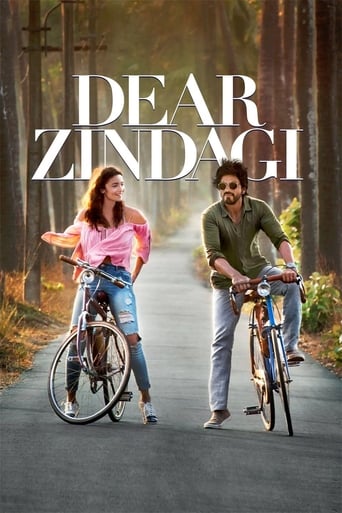
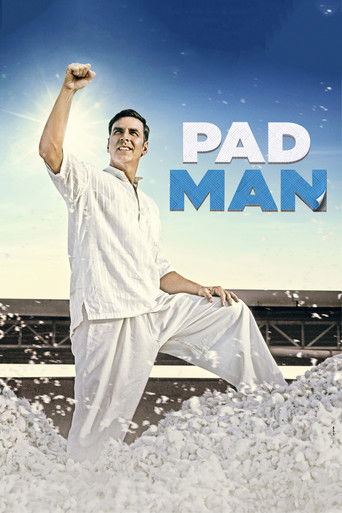
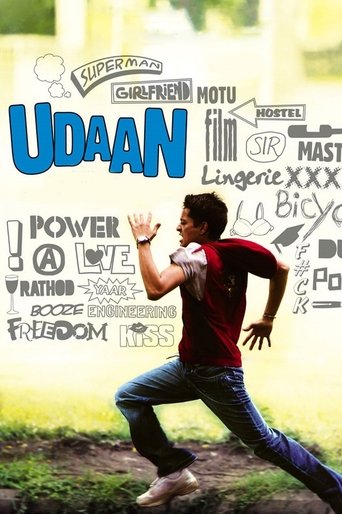
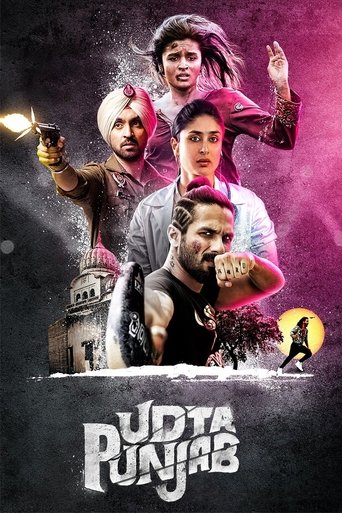
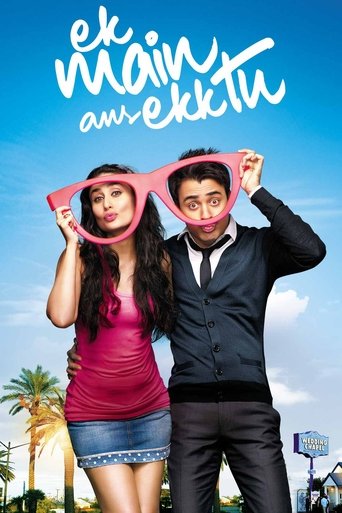
The shelf is full of stories of people who break free. In Queen, of 2014, by Vikas Bahl, Kangana Ranaut goes alone on her honeymoon to Paris and Amsterdam after being left at the altar; in English Vinglish, of 2012, by Gauri Shinde, Sridevi, in her return after fifteen years, plays a housewife who learns English in New York; in Udaan, of 2010, by Vikramaditya Motwane, a teenager escapes the tyranny of his father; in Secret Superstar, of 2017, a girl becomes a singing star on the internet behind a veil. Gauri Shinde also made Dear Zindagi, of 2016, with Alia Bhatt and Shah Rukh Khan as her unconventional therapist. Pad Man, of 2018, by R. Balki, with Akshay Kumar, tells the true story of the inventor of cheap sanitary pads; Udta Punjab, of 2016, follows the drug crisis of Punjab; Kai Po Che!, of 2013, three friends in Gujarat; Wake Up Sid, of 2009, a rich young man who grows up; and Ek Main Aur Ekk Tu, of 2012, and the Netflix anthology Lust Stories, of 2018, complete it.
Salim–Sulaiman
The shelf Salim–Sulaiman belongs to the brothers Salim and Sulaiman Merchant, composers of songs and above all of background scores, and it runs from 2004 to 2013. Its most voted and best rated film is Chak De! India, of 2007, by Shimit Amin, with Shah Rukh Khan as a disgraced hockey player who coaches the women's national team, whose title song became a sports anthem in India; Shimit Amin also made Rocket Singh: Salesman of the Year, of 2009, with Ranbir Kapoor. Aditya Chopra's Rab Ne Bana Di Jodi, of 2008, with Shah Rukh Khan as a shy clerk who reinvents himself to win his wife, and Maneesh Sharma's Band Baaja Baaraat, of 2010, the first film of Ranveer Singh, are the two Yash Raj romances of the shelf.
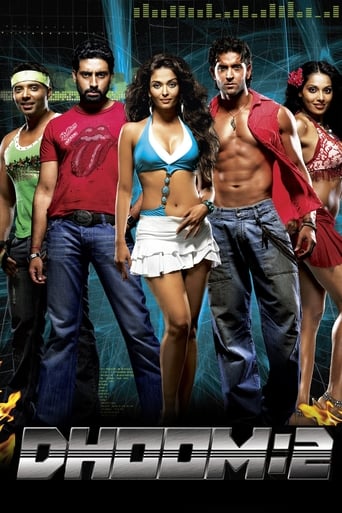
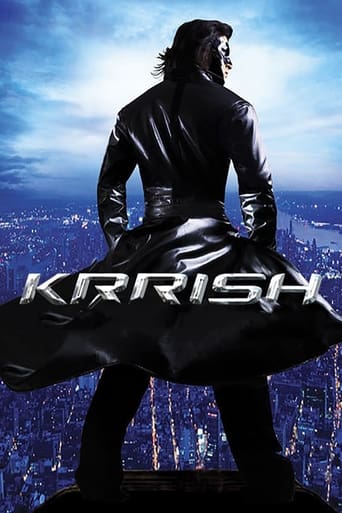
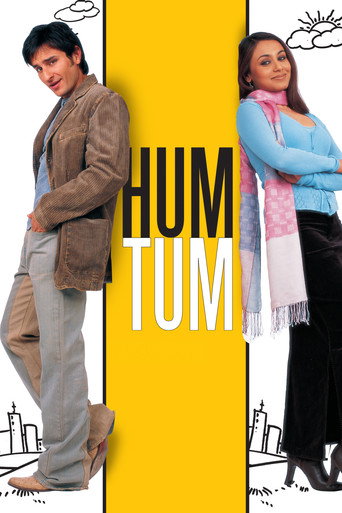
Several films of the shelf credit the brothers for the score while others wrote the songs. Dhoom 2, of 2006, with Hrithik Roshan as a master thief; Krrish, of 2006, and Krrish 3, of 2013, by Rakesh Roshan, the superhero series of his son Hrithik; and Race, of 2008, and Race 2, of 2013, by Abbas–Mustan, with Saif Ali Khan, are all action films in which the score of Salim–Sulaiman drives the chases. Dostana, of 2008, a comedy set in Miami; Ajab Prem Ki Ghazab Kahani, of 2009; Bhoothnath, of 2008, with Amitabh Bachchan as a friendly ghost, and Hum Tum, of 2004, a romance in the style of When Harry Met Sally, complete it.
Sachin–Jigar
The shelf Sachin–Jigar belongs to Sachin Sanghvi and Jigar Saraiya, and it is the youngest shelf of the guide, from 2013 to 2025. Its most voted and best rated film is Hindi Medium, of 2017, by Saket Chaudhary, with a 7.4, in which Irrfan Khan and his wife go to absurd lengths to get their daughter into an English-language school in Delhi. Amar Kaushik directed three films of the shelf, the horror comedy Stree, of 2018, about a ghost who abducts men at night in a small town, its sequel, Stree 2, of 2024, one of the biggest hits of its year, and Bala, of 2019, a comedy about a young man losing his hair.
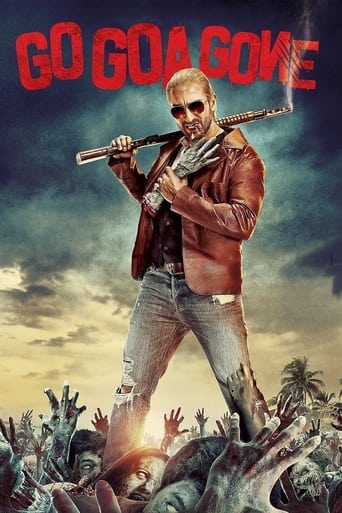
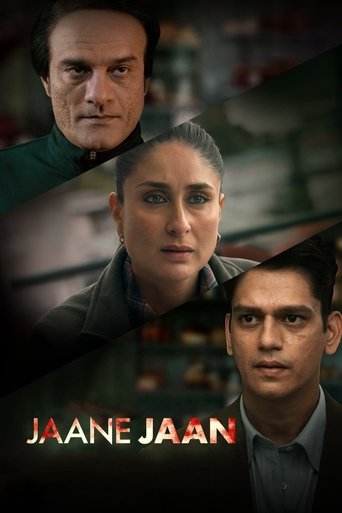
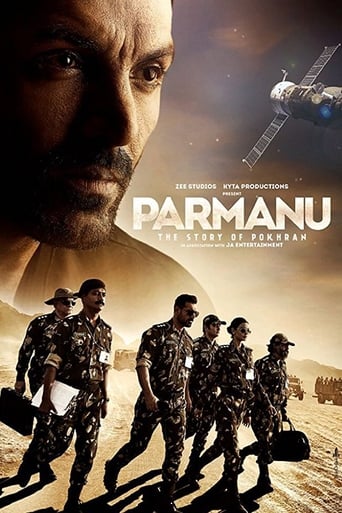
The directors Raj and DK made two films of the shelf, the zombie comedy Go Goa Gone, of 2013, and the action comedy A Gentleman, of 2017. Badlapur, of 2015, by Sriram Raghavan, with Varun Dhawan, is a dark revenge thriller; Jaane Jaan, of 2023, by Sujoy Ghosh, with Kareena Kapoor, adapts the Japanese novel The Devotion of Suspect X; Parmanu: The Story of Pokhran, of 2018, recreates the nuclear tests of 1998. Humpty Sharma Ki Dulhania, of 2014, ABCD 2, of 2015, a dance film, Luka Chuppi, of 2019, and the heist thriller of 2025 with Saif Ali Khan, the newest film of the guide, complete it.
The stars of the songs
A Hindi film song belongs to three people: the composer who writes it, the playback singer who records it and the star who lip-syncs it on screen. The stars of this guide are the stars of the songs. Shah Rukh Khan leads with 31 films among the first three names of the cast, from Baazigar in 1993 to Pathaan in 2023, across eight of the twelve shelves; Salman Khan follows with seventeen, Akshay Kumar with thirteen, and Aamir Khan and Ranbir Kapoor with eleven each. The collection The three Khans gathers the 59 films led by Shah Rukh, Salman or Aamir Khan, more than a third of the guide, and the guide The stars lists the actors who appear most often.
Each star has favourite composers. Shah Rukh Khan sang through the romances of Jatin–Lalit in the 1990s and the spectacles of Vishal–Shekhar in the 2010s; Salman Khan is the hero of the songs of Sajid–Wajid and Himesh Reshammiya; Aamir Khan made his great films with A. R. Rahman and Shankar–Ehsaan–Loy, from Lagaan to Like Stars on Earth, and with Pritam for Dangal; Ranbir Kapoor is the voice of the songs of Pritam and of Rahman's Rockstar and Tamasha.
The directors
Directors in Hindi cinema often keep the same composer for years. The director duo Abbas–Mustan has six films in the guide on three shelves, with Anu Malik, Himesh Reshammiya and Salim–Sulaiman; Karan Johar has five, from Kuch Kuch Hota Hai with Jatin–Lalit to My Name Is Khan with Shankar–Ehsaan–Loy; Imtiaz Ali has five, three with Rahman and two with Pritam; David Dhawan has five comedies. Rohit Shetty and Siddharth Anand have four each, Siddharth Anand all with Vishal–Shekhar; and Aditya Chopra, Ashutosh Gowariker, Farah Khan, Farhan Akhtar, Zoya Akhtar, Ramesh Sippy, Priyadarshan and Amar Kaushik have three each. The guide The directors lists them all.
The decades of the songs
The guide covers almost sixty years, from 1968 to 2025, but it leans towards the present: 77 films are from the 2010s and 47 from the 2000s, against thirteen from the 1990s, six from the 1980s, five from the 1970s, one from the 1960s and seven from the 2020s. The collection Before 2000 gathers the 25 films released before 2000, from Padosan to the romances of the 1990s, and the guide Before 2000 follows them in order. Older films have fewer votes on TMDB, but they hold some of the best ratings of the guide, such as Yaadon Ki Baaraat and Gol Maal.
SabWap in figures
The 156 films of the guide carry about 40,500 votes on TMDB, with an average rating of 6.65; the collection Rated 7.5 or more gathers the sixteen films rated 7.5 or more, best first, from Dilwale Dulhania Le Jayenge to Pad Man. The most voted are Dilwale Dulhania Le Jayenge, with about 4,600 votes, My Name Is Khan, Like Stars on Earth, Dangal, Lagaan and Andhadhun. The films last 154 minutes on average and about 24,000 minutes in all; the longest is Lagaan, at 233 minutes, followed by Mohabbatein, Jodhaa Akbar and Sholay, all close to three and a half hours or more, and the shortest is Ek Main Aur Ekk Tu, at 110 minutes. The guide The figures gathers every number.
The music labels
The strip at the top of the old SabWap page listed music channels rather than composers, a reminder of how the industry works. The songs of a Hindi film are sold to a music label before the release, and the label then sells them to radio, television, cassettes and later to streaming and video platforms. T-Series, founded by Gulshan Kumar in the 1980s as a cassette company, grew into the largest music label in India, and its video channel became the most subscribed channel in the world in 2019. Saregama, the heir of the Gramophone Company of India, holds the oldest catalogue, with the songs of the golden age of R. D. Burman and his father; Tips Music and Venus were the great labels of the 1990s; Eros Entertainment, Zee Music and the label of Yash Raj Films are the other names of the strip, and Yash Raj releases the songs of its own films, from Dilwale Dulhania Le Jayenge to Pathaan.
A composer may work with every label in turn, so the guide sorts its films by the composer rather than by the label, but the strip of the page keeps its place: it is now the Top Music Directors strip, at the top of the home page, with the twelve composers in the place of the six channels.
The voices
On screen the stars sing, but the voices belong to the playback singers, whose names appear on the cassettes and the streaming pages next to the composers. The films of R. D. Burman are full of the voices of Kishore Kumar, who also acts and sings in Padosan, Lata Mangeshkar and Asha Bhosle, who married Burman in 1980. The romances of Jatin–Lalit and Anu Malik belong to the voices of the 1990s, Udit Narayan, Kumar Sanu, Alka Yagnik and Lata Mangeshkar again, who sang the great duets of Dilwale Dulhania Le Jayenge. Sonu Nigam sang the title song of Kal Ho Naa Ho for Shankar–Ehsaan–Loy, and Shankar Mahadevan himself sings many songs of the trio. Rahman often sings his own songs, and Himesh Reshammiya made his own voice the signature of his music. In the 2010s a new voice dominated the charts, Arijit Singh, who sang many of the great love songs of Pritam, including the heartbreak song of Ae Dil Hai Mushkil. The guide The voices lists the singers of the most famous songs of the guide.
Where to begin
For a first evening, pick one composer from each family and start with the film that made their name: Dilwale Dulhania Le Jayenge for Jatin–Lalit, Lagaan: Once Upon a Time in India for A. R. Rahman, Dangal for Pritam and Andhadhun for Amit Trivedi. For a journey through time, follow the romance of Hindi cinema from Yaadon Ki Baaraat, of 1973, to Kal Ho Naa Ho, of 2003, and Yeh Jawaani Hai Deewani, of 2013. For a party, the shelves of the chartbusters are made for it, from Om Shanti Om to Welcome. And for something different, try the new sound of Queen, Udaan or Stree, films in which the songs tell the story rather than stopping it. And to hear one composer change over the years, watch three films of the same shelf from different decades, such as Padosan, Sholay and 1942: A Love Story for R. D. Burman, or Dil Se, Lagaan and Tamasha for A. R. Rahman, and listen to how the sound of Hindi cinema grows with them.
How to use SabWap
The home page opens with the introduction in a grey box and a blue title bar, then the grey strip of Top Music Directors, a line of twelve names separated by bars, each with its number of films; a name leads to the row of that composer further down. Each row opens with a blue title bar with the name of the composer in white bold type and a Next button that opens the full shelf. The rows are grey, three to a line on a wide screen and one on a phone, with a small poster on the left, marked with the TMDB rating and the year, and on the right the composer's name in red after the word Music, the title in blue and the first genre with the running time. The menu at the top leads to the four families, and the search box finds any film by its title; the guide Search tips explains how, including the English and Hindi titles.
The film page has the English synopsis, the cast, the director, the genres and the release date. The Watch now button opens the film on JustWatch, which shows the services that offer it in your country, and the button Add to My List keeps it in My list, stored in your browser. The guide How to use SabWap explains each part, and the guide The Watch now button explains how JustWatch works.
Questions
What is SabWap
An English guide to 156 Hindi films sorted by music director, twelve composers in four families.
Who are the twelve composers
R. D. Burman, Anu Malik, Jatin–Lalit, A. R. Rahman, Shankar–Ehsaan–Loy, Vishal–Shekhar, Pritam, Himesh Reshammiya, Sajid–Wajid, Amit Trivedi, Salim–Sulaiman and Sachin–Jigar.
How are the films chosen
For each composer, the thirteen most voted Hindi films on TMDB that credit them for the music, the songs or the score.
Which film has the most votes
Dilwale Dulhania Le Jayenge, with about 4,600 votes.
Which film is the best rated
Dilwale Dulhania Le Jayenge, with an 8.5.
Which is the oldest film
Padosan, of 1968, with music by R. D. Burman.
Which is the longest film
Lagaan: Once Upon a Time in India, with 233 minutes.
Which star appears most often
Shah Rukh Khan, with 31 films.
Where can I watch the films
The Watch now button opens each film on JustWatch, which shows the services that offer it in your country.
Where is My list kept
In your browser, on the device where you create it.
